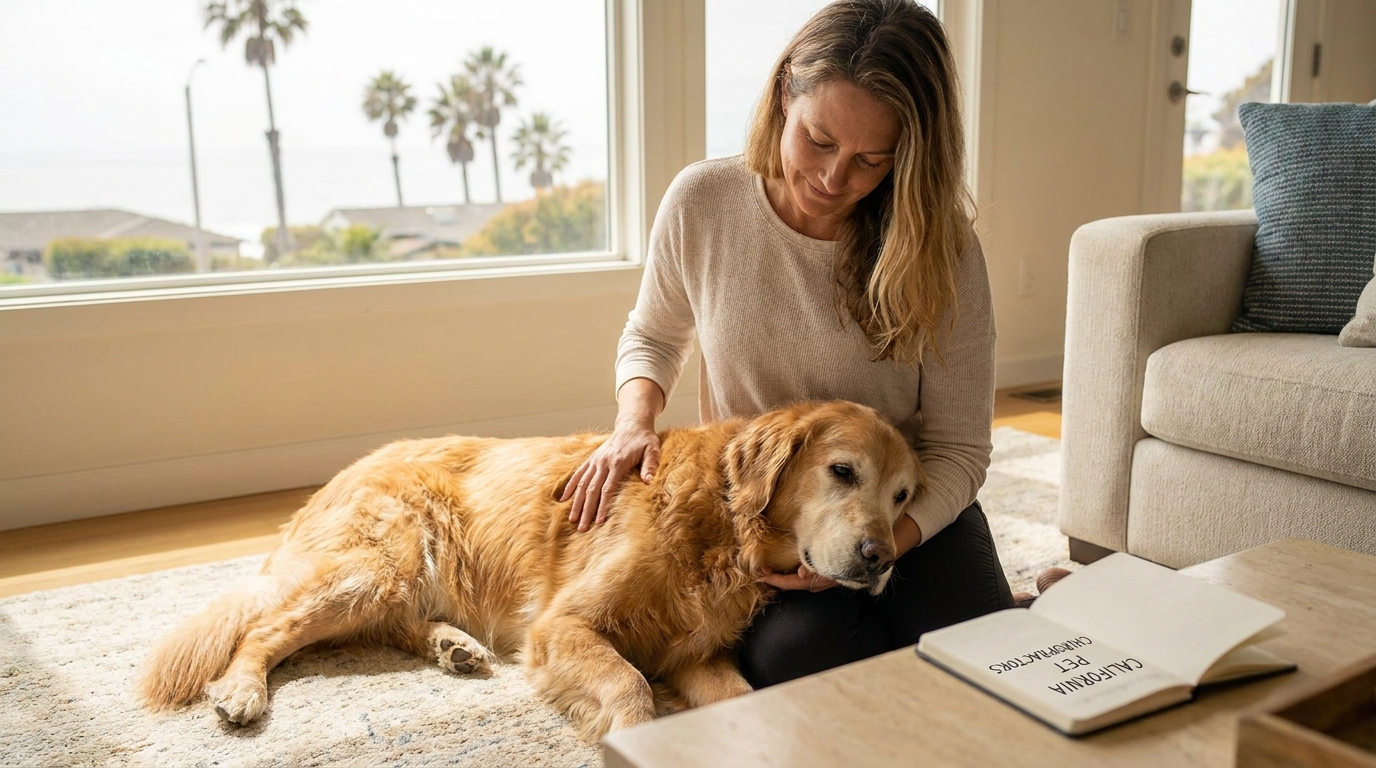
Have you noticed your dog skipping the zoomies lately or your cat hesitating before jumping onto the couch? It is heartbreaking to see our pets lose their bounce, but it is often more than just old age. Pet chiropractic care is becoming a go-to for owners who want to help their furry friends move without pain and get back to their playful selves.
If you want to know how to find a chiropractor for your pet in California, you need to understand some specific local laws first. California is unique because it requires a vet wellness exam at the same location before any adjustments can happen. This rule keeps your pet safe and ensures their whole health is the priority while you look for the best care possible.
This guide breaks down everything you need to know, from spotting an AVCA-certified pro to our list of the top 10 highly-rated practitioners in the state. We will also explain what happens during a first visit and how these gentle adjustments can help with everything from senior stiffness to anxiety so your pet can finally get their groove back.
Have you noticed the zoomies are suddenly missing? Maybe your dog hesitates at the stairs or your cat stops jumping onto the high shelf. It is tough to watch them slow down, but it might not just be old age. Chiropractic care is not just for humans anymore. The American Veterinary Chiropractic Association has been setting standards for animal care since 1989 to help pets move comfortably again. This matters because a stiff spine can affect their whole mood.
In California, the law requires a wellness visit with a vet at the same location before any chiropractic work begins. This ensures your pet is healthy enough for an adjustment and keeps the care team working together. When searching, look for AVCA certification. These doctors complete 210 hours of extra training to master animal anatomy. It is a high bar, but it means your pet is in safe hands. Think of it as a specialized way to keep their body in balance.
This care helps with more than just stiff joints. It is often used for anxiety or even bladder issues. As Dr. Jessica Paige says, these gentle adjustments restore function and quality of life naturally. Finding a qualified pro is the first step to getting that playful spirit back. Whether your pet is an athlete or a senior, they deserve to move without pain.
Key insights:
- California law requires a veterinary wellness exam at the same facility before the initial chiropractic visit to ensure integrated care.
- The AVCA certification is the gold standard, requiring 210 hours of post-graduate study for licensed chiropractors or veterinarians.
- Chiropractic adjustments are not just for injuries; they are also used for performance maintenance, anxiety, and internal health issues.
The Golden Rule: California's Specific Law for Pet Adjustments
Ever tried to book a quick adjustment for your dog or cat in California, only to find out you can't just walk in? There is a reason for that. California law is pretty strict about how this works. Before your pet gets their first adjustment, they have to have a wellness exam with a veterinarian at the exact same location where the chiropractic care happens. It might feel like an extra step, but this rule is actually there to keep your furry friend safe. It ensures that a vet has cleared them for manual therapy and that everyone is on the same page about their health.
This 'same location' rule is the big one to remember. You can't just have your regular vet across town send over a note. The law requires an integrative approach where the vet and the chiropractor work together in the same building. This is why practitioners like Dr. Jessica Paige, who works out of spots like The Animal Wellness Center of Danville and Creature Comfort in Oakland, often schedule these appointments back-to-back. It makes your life easier while staying totally legal. You get the wellness check done, and then move right into the chiropractic session.
What if your usual vet doesn't offer chiropractic? You don't have to switch vets forever. You just need to visit a facility that has both for these specific sessions. Think of it as a specialized team-up. This coordination is a legal must because it prevents any guesswork. A chiropractor’s goal is to correct those tiny misalignments, or subluxations, using a quick, gentle thrust by hand or a small tool. Having a vet right there ensures that those adjustments are helping a stable, healthy pet rather than masking a different medical issue.
It is also worth checking the credentials of whoever is working on your pet. While the law handles the 'where,' organizations like the American Veterinary Chiropractic Association (AVCA) handle the 'who.' These pros have to finish over 210 hours of extra training and keep up with their education every three years to stay certified. When you combine that level of expertise with the safety net of California’s wellness visit laws, your pet is in the best possible hands. It's all about making sure that 'feel good' stretch actually does them good.
Key insights:
- California law mandates a wellness exam at the same facility before chiropractic care to ensure safety.
- Coordination between a vet and a chiropractor isn't just a good idea - it's a legal requirement in the state.
- AVCA certification ensures your practitioner has completed hundreds of hours of specialized animal-specific training.
The 'Same Location' Requirement Explained
In California, you can't just walk into a chiropractor's office with your dog or cat and start treatment. The law is very clear: your pet needs a wellness exam at the exact same facility where the chiropractic work happens. This might feel like an extra step, but it ensures your pet is healthy enough for an adjustment and that everyone is on the same page.
What if your regular vet doesn't offer these services? You don't have to switch doctors forever. Instead, you can visit a specialized center like the ones where Dr. Jessica Paige works in Danville or Oakland. To keep things simple, she often coordinates back-to-back appointments. This means a veterinarian performs the required wellness check, and then she steps in for the chiropractic session right after.
It is also worth checking if the provider is AVCA certified. These pros finish over 210 hours of extra training to make sure your pet is in safe hands. This setup keeps everything legal and, more importantly, keeps your pet safe. It is all about making sure the care is integrated and professional.
Key insights:
- California law mandates a wellness exam at the same location before any chiropractic treatment.
- Practitioners like Dr. Jessica Paige simplify the process by scheduling veterinary and chiropractic visits back-to-back.
- Look for AVCA certification to ensure your provider has completed the required 210 hours of post-graduate training.
Spotting a Pro: What Does 'AVCA Certified' Actually Mean?
Ever feel like you’re drowning in an alphabet soup of professional titles? When it comes to your pet's spine, one acronym stands above the rest: AVCA. Since 1989, the American Veterinary Chiropractic Association has been the primary credentialing body in North America. But it’s not just a fancy sticker for a clinic window. To get certified, a licensed doctor has to grind through at least 210 hours of post-graduate training. That is a massive commitment on top of their existing medical degree, and it shows they are serious about animal anatomy.
Think of it this way: you wouldn't want a hobbyist working on your dog’s neck. This specialized training ensures they understand the specific 'short lever, high velocity' thrusts needed to fix subluxations safely. Plus, they can't just pass a test once and call it a day. They have to renew that certification every three years with continuing education. This keeps them sharp on new techniques and safety standards so your senior cat or high-energy pup gets the most current care available.
If you’re in California, there’s a specific legal hoop to jump through before the clicking starts. State law says your pet needs a wellness exam at the same facility where the chiropractic care happens before that first adjustment. It might feel like an extra step, but it ensures your pet is healthy enough for the treatment. Practitioners like Dr. Jessica Paige often schedule these back-to-back at her Oakland or Danville spots to keep things simple and compliant for busy pet parents.
So, who exactly is doing the adjusting? You’ll usually see two types of pros: a Doctor of Chiropractic (DC) or a Veterinarian (DVM). Here is the catch: a regular human chiropractor can't just start working on a Golden Retriever, and a standard vet isn't automatically a spine expert. Both paths require that specialized AVCA or ACCC training to bridge the gap between species. It is about merging two different worlds of expertise to help your pet feel their best.
A DC brings deep knowledge of spinal mechanics, while a DVM brings a comprehensive understanding of animal pathology and internal medicine. When you see that ACCC credential, it means they have passed the Animal Chiropractic Certification Commission’s rigorous exams. Whether they started with humans or hounds, they’ve met the same high bar. This ensures the person behind the adjustment knows exactly how an animal's anatomy differs from ours so they can restore function without any guesswork.
Key insights:
- AVCA certification is the gold standard, requiring 210 hours of extra training for vets and chiropractors.
- California law requires a veterinary wellness visit at the same location before any chiropractic work begins.
- The ACCC credential ensures the practitioner has passed national standards for animal-specific care.
- Certification must be renewed every three years to ensure doctors stay up to date on safety and methods.
DC vs. DVM: Who Is Adjusting Your Dog?
Who exactly is adjusting your dog? You will usually find two types of professionals in this field: Doctors of Chiropractic and Veterinarians. But a standard degree is not enough to get started. Both paths require a specialized post-graduate program with at least 210 hours of animal-specific training to ensure they understand a pet’s unique anatomy and needs.
When you are vetting a provider, look for the ACCC or AVCA credential. Since 1989, the American Veterinary Chiropractic Association has set the standard for safety and skill in North America. These certifications only last three years, so doctors must constantly renew them through continuing education. This rigorous process ensures your pet is in the hands of someone who stays current on the best techniques.
In California, the law requires an extra step for safety. Your pet needs a wellness exam at the same facility before their first adjustment can happen. This is why experts like Dr. Jessica Paige often schedule these appointments back-to-back. It keeps your pet safe and ensures the care is fully legal and coordinated from the very first visit.
Key insights:
- Both DCs and DVMs must complete 210 hours of specialized animal training to be certified.
- AVCA certification requires renewal every three years to ensure ongoing professional competence.
- California law mandates a veterinary wellness exam at the same facility before chiropractic services begin.
More Than Just Back Pain: Surprising Reasons to Visit
Have you ever noticed your dog acting a bit more anxious or your cat suddenly having accidents? It might seem unrelated to their spine, but everything in the body is connected. While most people book a chiropractic visit for obvious back pain, the benefits go much deeper. It is about keeping the nervous system clear so the rest of the body can do its job. Think of the spine as the main highway for messages between the brain and the rest of the body. If there is a roadblock, things start to slow down or misfire.
For senior pets, this care is often a fountain of youth. We frequently see older dogs regain their puppy energy after just a few sessions. This matters because as pets age, they naturally slow down, but often that slowing is actually just a response to discomfort. Dr. Jessica Paige notes that regular care helps restore function and enhance quality of life naturally and gently. Interestingly, this can even help with internal medicine issues like bowel or bladder disorders. When the spine is aligned, the nerves communicating with those internal organs work much better, which can even reduce behaviors like separation anxiety.
If you are looking for a provider in California, keep in mind that the process is strictly regulated for your pet's safety. State law requires a wellness exam at the same facility before the first chiropractic adjustment can happen. This is why experts like Dr. Jessica Paige coordinate so closely with veterinarians at her Danville and Oakland locations. You should also look for AVCA certification. These professionals have completed at least 210 hours of specialized animal training and must maintain their credentials every three years. It gives you peace of mind knowing they understand the specific anatomy of a pet's skeleton.
When it comes to athletic pets, the focus shifts to performance care. If your dog competes in agility, dock diving, or just lives for a high-intensity game of fetch, they are essentially a professional athlete. Just like a human runner needs their joints checked, athletic pets need regular tune-ups to stay at the top of their game. Performance care is not just about fixing a problem. It is about spotting tiny imbalances in their gait or stance before they turn into a real injury that sidelines them for months.
During these sessions, the chiropractor uses diagnostic procedures like stance analysis and motion palpation to see how your pet is moving. By optimizing their gait, they ensure the animal is moving as efficiently as possible. They might use manual adjustments or a spring-loaded tool called an Activator to provide a precise, gentle touch for sensitive animals. This proactive approach helps your pet stay fast, flexible, and comfortable. It is much easier to keep a pet healthy through regular checkups than it is to rehab a major injury later on.
Key insights:
- California law requires a veterinary wellness exam at the same location before any chiropractic services begin.
- AVCA certification ensures a practitioner has completed over 210 hours of post-graduate animal-specific training.
- Chiropractic adjustments can help manage internal issues like bladder control and behavioral problems like separation anxiety.
- Regular gait and stance analysis can prevent injuries in athletic dogs before they become serious problems.
Performance Care for the Athletic Pet
Does your dog live for the agility course or long trail runs? These high-energy athletes put incredible stress on their bodies every time they pivot or jump. Regular chiropractic checkups help catch tiny issues before they become real injuries. It is not just about fixing pain; it is about keeping their gait smooth and their stance perfectly balanced for peak performance.
In California, there is a specific rule you need to know. State law requires your pet to have a wellness exam at the same office before starting any chiropractic work. This keeps the process safe and ensures a veterinarian has cleared them for adjustments. During the visit, a pro will analyze how your pet moves and use tools like a spring-loaded Activator or manual adjustments to correct specific joint issues.
This proactive care ensures your pet’s body works in perfect harmony. When their spine is aligned, they move with more power and less effort. Why wait for a limp to start? Keeping them in top shape means more years of playing hard and feeling great.
Key insights:
- California law requires a veterinary wellness visit at the same location before animal chiropractic services can begin.
- Performance care focuses on gait analysis and motion palpation to prevent injuries before they happen.
- Qualified practitioners often hold AVCA certification, which requires 210 hours of specialized post-graduate training.
Top 10 Highly-Rated Pet Chiropractors in California
Ever notice your dog getting a bit stiff or your cat not jumping like they used to? It is tough watching them slow down, but finding the right help in a state as big as California can feel like a whole project on its own. We have done the heavy lifting by looking at reviews, facility quality, and those all-important certifications to find the best hands for your furry friends. This list covers the top tier practitioners who really get how much your pet means to you.
Before you load up the car, there is a specific bit of California law you need to know about. Your pet actually needs a wellness check with a vet at the same office where the chiropractic work happens before that first adjustment. It might sound like a lot of extra steps, but it ensures everyone is on the same page about your pet's health. This legal requirement is why many of the best clinics in the state are set up as integrative hubs where vets and chiropractors work side by side.
What makes a chiropractor top rated anyway? We focused on providers with AVCA certification. This has been the gold standard since 1989 and it is not easy to get. A doctor has to finish over 210 hours of extra training to earn it. Since these certifications only last for three years, these pros have to keep learning to stay current. When you see that badge, you know your pet is in the hands of someone who truly understands animal anatomy.
If you are in the East Bay, Dr. Jessica Paige is a name you will hear often. She works out of the Animal Wellness Center of Danville and Creature Comfort in Oakland. She is a great example of how to do things right because she schedules those required vet visits right before her sessions to keep things simple for owners. She often points out that whether a pet is healing from an injury or just getting older, these gentle adjustments can really give them their spark back naturally.
Southern California and the Inland Empire also have some incredible specialists that are well worth the drive. These clinics often go beyond basic adjustments by adding in things like cold laser therapy to help with swelling or muscle work to release tension. Up in Northern California, you will find holistic hubs that look at the whole picture of your pet's life, from their gait to their daily habits, to make sure they are performing at their best.
It is also worth noting that this care is not just for a sore back. Many owners are surprised to find that adjustments can help with things like separation anxiety or even bathroom issues. Think of it like fixing a kink in a garden hose so the nervous system can flow perfectly again. Some practitioners even use a little spring loaded tool called an Activator for pets that are a bit more sensitive, making the whole process very gentle and stress free.
Finding a great fit means asking questions and looking for that specialized training. While a regular vet is amazing for general health, a certified animal chiropractor brings a different set of tools to the table. Your pet might not be able to tell you they feel better in words, but you will see it in that extra wag or that sudden leap back onto the sofa that they have been avoiding lately.
Key insights:
- California law requires a vet exam at the same facility before any chiropractic work can begin.
- The AVCA certification is the main credential to look for when vetting a new practitioner.
- Chiropractic care is often used for non-physical issues like anxiety and internal medicine problems.
- Many top clinics use tools like the Activator or cold lasers for a more gentle treatment experience.
What Happens During the First Visit?
Ever wonder what actually happens when you take your furry friend to a chiropractor? In California, the process starts before you even step into the treatment room. State law is pretty specific: your pet needs a wellness visit with a veterinarian at the very same location where they will receive their chiropractic care. If you are visiting Dr. Jessica Paige at the Animal Wellness Center of Danville or Creature Comfort in Oakland, these appointments are often scheduled back-to-back to keep things simple. It is all about ensuring your pet is healthy enough for the adjustment before any work begins.
Once the legalities are out of the way, the diagnostic phase starts. This is not a one-size-fits-all situation. The doctor will watch how your pet moves during a gait analysis and use static palpation to feel for any spots that seem stuck or tender. Think of it as a focused exam where the goal is finding exactly where the spine is not moving quite right. It is a thorough process because every pet carries their weight differently, especially if they are compensating for an old injury or a stiff hip.
When it comes to the actual adjustment, there are a few different tools in the kit. Some practitioners use their hands for manual adjustments, while others might use an Activator, which is a small, spring-loaded device that delivers a very precise, light-touch tap. To get the best results, many pros combine these adjustments with cold laser therapy. This helps settle inflammation in the muscles and makes the whole experience much more effective. It is a modern approach to a practice that has been standardized by the American Veterinary Chiropractic Association since 1989.
You might be worried about whether the adjustment hurts. The technical definition is a short lever, high velocity thrust, but in plain English, it is just a very fast, very shallow movement. It is designed to fix specific spots without putting any stress on the rest of the body. Interestingly, most pets actually lean into the adjustment once they realize it feels good. You will see them start to relax, their breathing slows down, and some even let out a big sigh of relief as the tension leaves their spine.
After the session, do not be surprised if your pet turns into a total couch potato. A post-treatment nap time is totally normal and actually expected. Their body is processing the changes and starting to heal, so letting them snooze it off at home is the best thing you can do. Whether they are recovering from an injury or just slowing down with age, these sessions help restore function and enhance their quality of life naturally and gently.
Key insights:
- California law requires a wellness exam at the same facility before any chiropractic treatment can occur.
- Qualified animal chiropractors must complete at least 210 hours of post-graduate training to earn AVCA certification.
- Post-treatment fatigue is a common sign that the pet's body is responding well to the spinal adjustments.
- The Activator tool provides a gentle alternative to manual adjustments for pets that are hypersensitive or very small.
Is it Painful? What Your Pet Really Feels
You might worry that an adjustment sounds scary for your furry friend, but it is actually quite gentle. Most pets do not just tolerate the work; they often lean into the practitioner as they feel the tension release. This short lever, high velocity technique is a controlled, precise movement directed at specific joints. Instead of yelping, you will likely see your dog or cat relax their muscles almost immediately. It is about precision, not force.
In California, your pet needs a wellness visit at the same clinic before their first session to keep things safe and legal. Whether the doctor uses their hands or a light-touch Activator tool, the process is designed to be soothing. Dr. Jessica Paige notes that this care helps senior pets regain their spark naturally. After the visit, expect a long nap time at home. Their body is just busy processing the adjustment while they dream away.
Key insights:
- Most pets find the adjustments relaxing and will physically lean into the practitioner during the session.
- California law requires a veterinary wellness exam at the same facility before chiropractic care can begin.
- A deep nap after treatment is a common and healthy sign that the animal's body is responding to the care.
Common Questions About Pet Chiropractic
Ever feel a bit nervous about someone 'cracking' your cat or dog? You are definitely not alone. Most pet parents start with a healthy dose of skepticism and a long list of questions. One of the first things you will notice in California is that you cannot just walk in off the street for an adjustment. State law actually requires your pet to have a wellness exam with a veterinarian at the same location before the chiropractor can even begin. It is all about teamwork to make sure your furry friend is a good candidate for the care.
You might wonder how much training these pros actually have. It is quite a lot! To earn AVCA certification, a licensed doctor must complete at least 210 hours in a specialized post-graduate program. These credentials have been the gold standard since 1989 and require constant updates every three years to stay active. Whether the practitioner uses their hands or a gentle spring-loaded tool called an 'Activator,' the focus is on precise, high-speed adjustments that help your pet move without pain. This matters because it ensures your pet is in the hands of someone who truly understands animal anatomy.
So, how often will you be heading to the clinic? For a sudden injury, a few focused visits might be all it takes to see a difference. But if your senior pet is just slowing down with age, regular maintenance can be a total game-changer for their daily comfort. While insurance coverage depends on your specific provider, many owners find that restoring mobility naturally is worth the investment. It is not just about fixing a limp; it is about helping your best friend feel like a kitten again, even if they are just chasing laser pointers in their dreams.
Key insights:
- California law mandates a vet wellness visit at the same facility before any chiropractic work happens.
- AVCA certified providers must complete 210+ hours of training and renew their credentials every three years.
- Treatment frequency depends on the pet's needs, with acute injuries requiring fewer visits than chronic age-related issues.
Frequently Asked Questions
Does my pet need a referral from a vet before seeing a chiropractor?
Yes, they do. In California, the law is pretty specific about this. Your pet has to have a wellness visit with a veterinarian at the exact same location where the chiropractic care happens before that first session.
It is all about making sure your pet is a good candidate for an adjustment and that the care is coordinated. To make it easier on everyone, some clinics like those run by Dr. Jessica Paige schedule the vet exam and the chiropractic visit back to back. This way you only have to make one trip and your pet stays comfortable.
How do I know if my dog's back is out of alignment?
You might see some clear signs like a strange walk or trouble climbing stairs, but sometimes it is more about their behavior. If your dog is suddenly acting grumpy, dealing with bladder issues, or even licking their paws constantly, it could be a spine issue.
Watch for things like a hunched back or if they seem to stand with their weight shifted to one side. Since pets cannot tell us where it hurts, these little shifts in how they move or act are their way of talking to us. A professional will use things like gait analysis and feeling the spine to find those tiny spots that are out of place.
Are there any risks associated with animal chiropractic adjustments?
When a certified pro handles the job, chiropractic care is generally very safe and gentle for your pets. The main risk usually comes from trying to treat an animal that has an underlying injury like a bone fracture or a tumor that hasn't been spotted yet. Adjusting an animal in those cases could make things worse, which is why getting a proper diagnosis first is so important.
California law actually helps protect your pet here. It requires your cat or dog to have a wellness exam with a vet at the same location before they get their first adjustment. This ensures your pet is healthy enough for the treatment. Also, look for someone with AVCA certification because they have completed hundreds of hours of extra training to handle animal spines safely.
How much does a typical pet chiropractic session cost in California?
You will typically find that prices vary based on your location, but most sessions land somewhere between 50 and 150 dollars. Here is the thing to remember about California though. Your first visit will likely be more expensive because state law requires a veterinary wellness exam at the same facility before the chiropractic work can begin.
It is often a good idea to ask about package deals if your pet needs regular help for a long term issue like hip health or senior wellness. While the upfront cost for a certified expert might seem higher, you are paying for someone who has met strict national standards. That extra bit of money buys you a lot of peace of mind knowing your pet is in qualified hands.
Conclusion
Seeing your pet struggle with stiffness is tough, but you now have a clear roadmap to help them feel like a puppy again. Between understanding California's specific wellness exam laws and knowing how to spot an AVCA certified pro, you are ready to make a choice that is both safe and effective. It is about more than just a quick adjustment. It is about building a care team that supports your pet's mobility and happiness for the long haul.
Whether you are checking out our top 10 list or looking for a dog chiropractor in the East Bay, the goal is always the same: better quality of life. Your next move is a simple one. Have a quick chat with your regular vet to get that required wellness check out of the way. This opens the door for a specialist to step in and work their magic.
Knowing how to find a chiropractor for your pet in California is the first step toward a more active life for your best friend. When you find the right fit, you will see the results in the way they walk, play, and finally relax. Here is to seeing those zoomies return sooner than you think.